
英文 (AY 2024)

R5-6 1-6 "Buddhist Art of Borobudur Relief in Indonesia" (R5-6 AY2024)
This project aims to present a new understanding of the Borobudur Monument in Central Indonesia. It focuses on the main walls of the second to fourth galleries (27, 88, and 72 panels) of the Borobudur site, which was built in the 8th to 9th century, and attempts to classify and analyze them from the four perspectives of (1) statues, (2) dress, (3) decoration, and (4) overall background
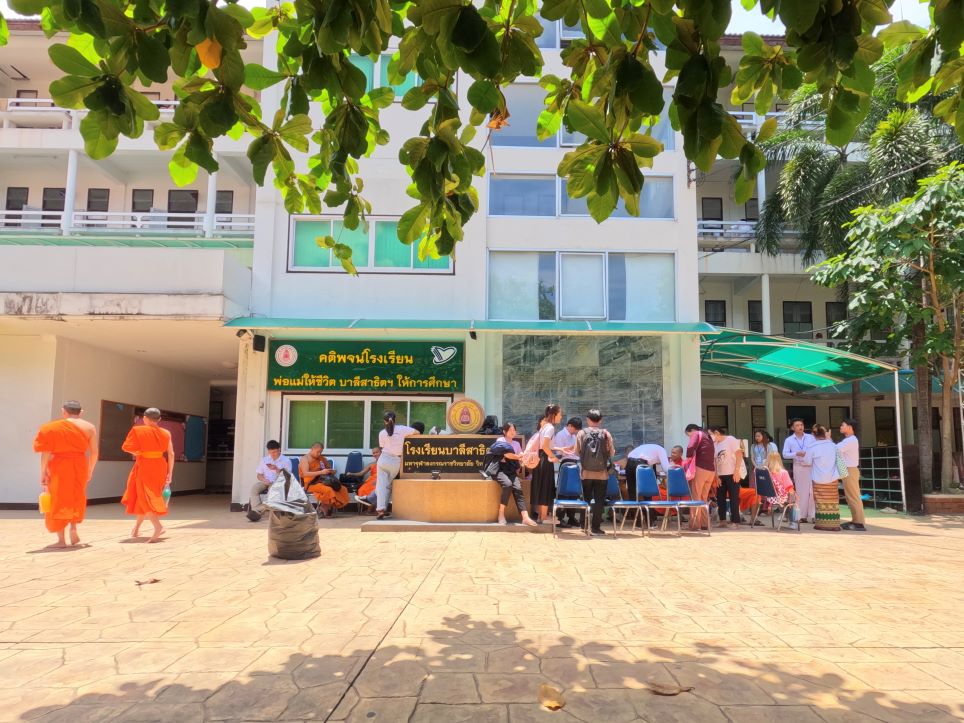
R6 2-1 "Social Space of Shan in the Urban City: Focusing on the Formation of Social Space of Shan Youth in Bangkok,Thailand" (R6 AY2024)
The subject of this research is an ethnic group called "Shan" who migrated from Shan State, Myanmar to Thailand. The purpose of this research is to clarify what kind of social space is formed by Shan Youths in Bangkok, the capital city of Thailand, and how the young migrants live in the city
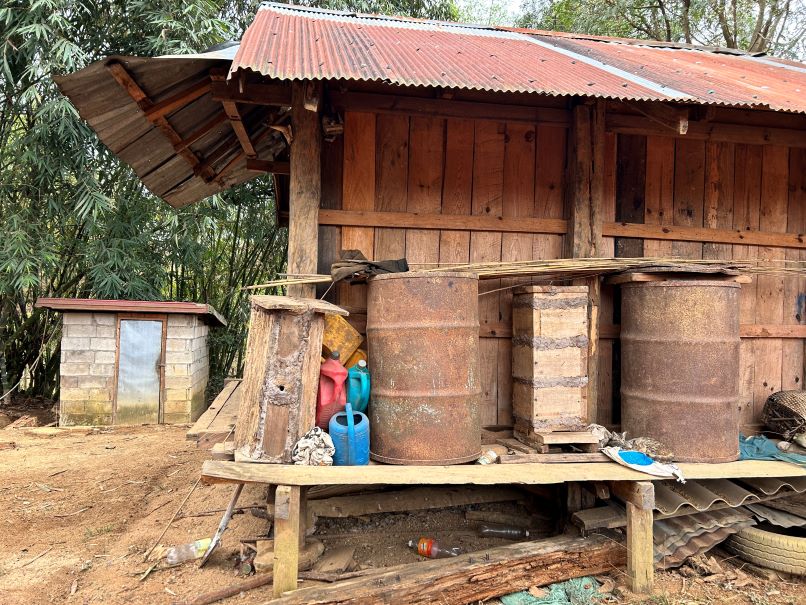
R6 2-2 "Anthropological Studies about Interspecies Care: Human-Honeybee Relationship in Japan" (R6 AY2024)
This study examines the relationship between beekeepers and bees in Laos Shenkwan as a case study, considering the support received from international aid for beekeeping practices through the lens of technological and tool transformation
R6 2-3 "Myanmar Refugees' Choices for Return: The Case of a Village in Kayin State" (R6 AY2024)
The Lay Kay Kaw village in Kayin State, Myanmar was established as a place to receive victims of conflict and refugees returning to Myanmar. It was also the subject of extensive support funded by Japan's Ministry of Foreign Affairs (MOFA)
R6 2-4 "Evaluation of bovine leukemia virus detection systems and effects of painting with zebralike striping to avoid biting flies that carry BLV in the Philippines" (R6 AY2024)
Bovine leukemia virus (BLV), transmitted by blood-sucking insects, causes bovine leukemia. There is no effective vaccine or treatment for this deadly disease, which causes economic losses to the livestock and meat industries
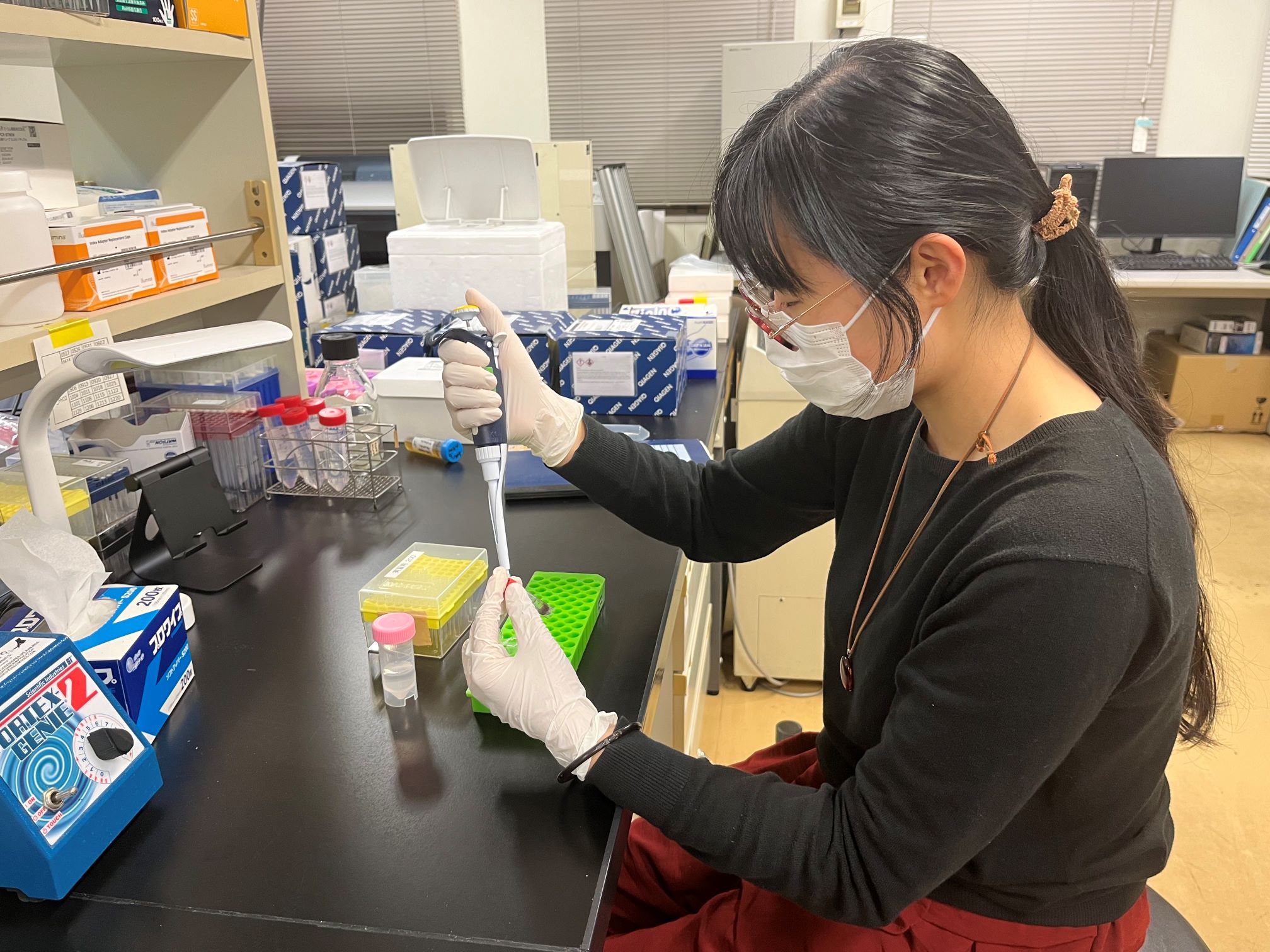
R6 2-5 "Genomics, gut microbiome, and diet analysis for the conservation of the Malayan tapirs on Sumatra island"(R6 AY2024)
The endangered Malayan tapir (Tapirus indicus) in Southeast Asia, including Sumatra island, is threatened with survival due to ongoing large-scale development in the region. This study will analyze the genome, gut microbiome and diet of the tapir with the aim of better understanding and protecting the tapir population on Sumatra island
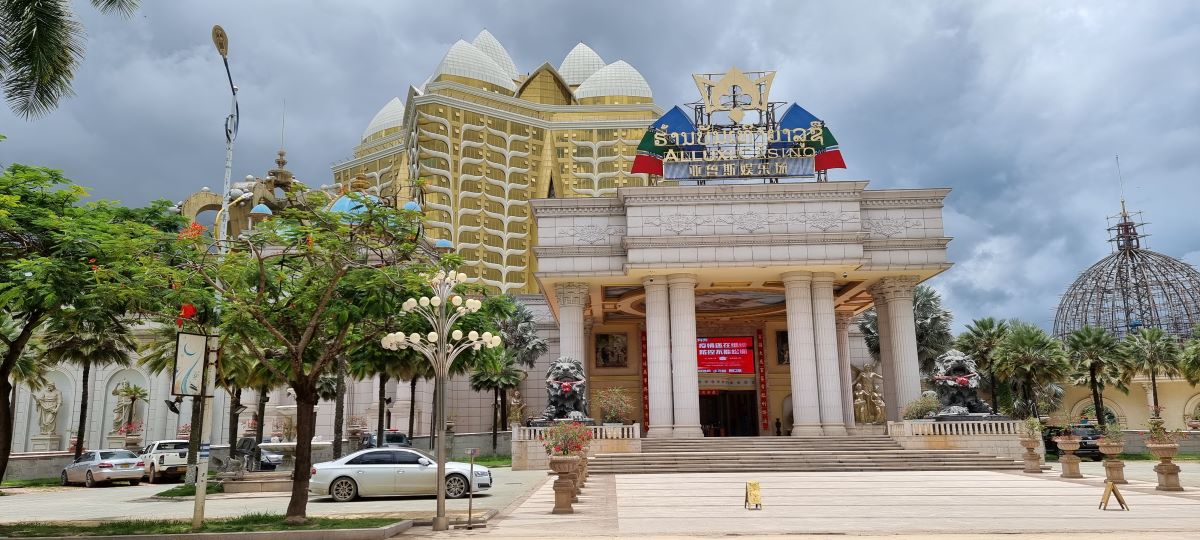
R6 3-1"China’s BRI in Southeast Asia: Concepts and Methodologies" (R6 AY2024)
Emerging from an ongoing collective project hosted by the China-Southeast Asian Studies Center, Faculty of Social Sciences, Chiang Mai University in Thailand and gathering essays by a host of Southeast Asian research scholars, the collection aims to unsettle received ideas about China’s Belt and Road initiatives (BRI) by problematizing the existing concepts and approaches to academic works on the subject. China’s transformation into a capitalist world power is one of the defining features of the 21st century
R6-7 4-1 "Frontier Societies in Southeast Asia in the Information Age"(R6 AY2024)
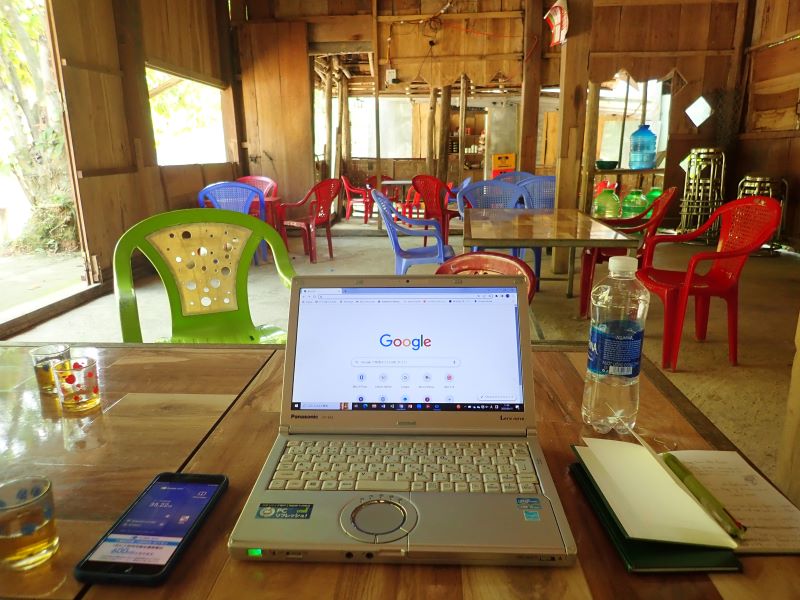
The advent of the information society has also reached people in frontier societies in Southeast Asia. In particular, in recent years, as information infrastructure has been developed in response to the implementation of the SDGs and other initiatives, information has become an important resource, and frontier societies are becoming even more strongly connected to the core areas
R5-6 4-1 "Preliminary Approach for Research Framework Building for Studying Opportunities and Risks of Residents in Rural Societies of Southeast Asian Countries" (R5-6 AY2024)
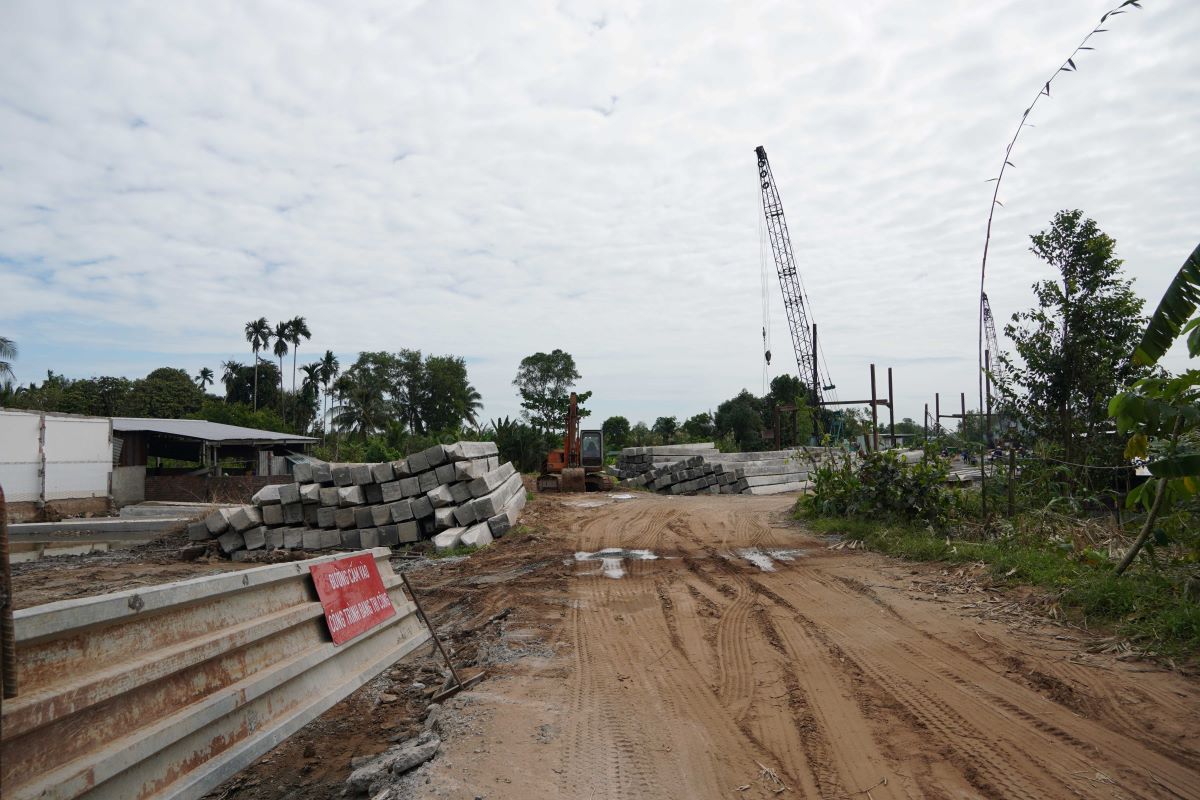
Changes in recent years in Southeast Asia, such as rearrangement associated with globalisation in industrial and employment structures, development of transportation, and improvement in the quality of human resources, are also impacting rural societies
R6-7 5-1 "The Everyday Politics of the University of the Philippines: on the Streets, Classroom, and the Malacañang" (R6 AY2024)
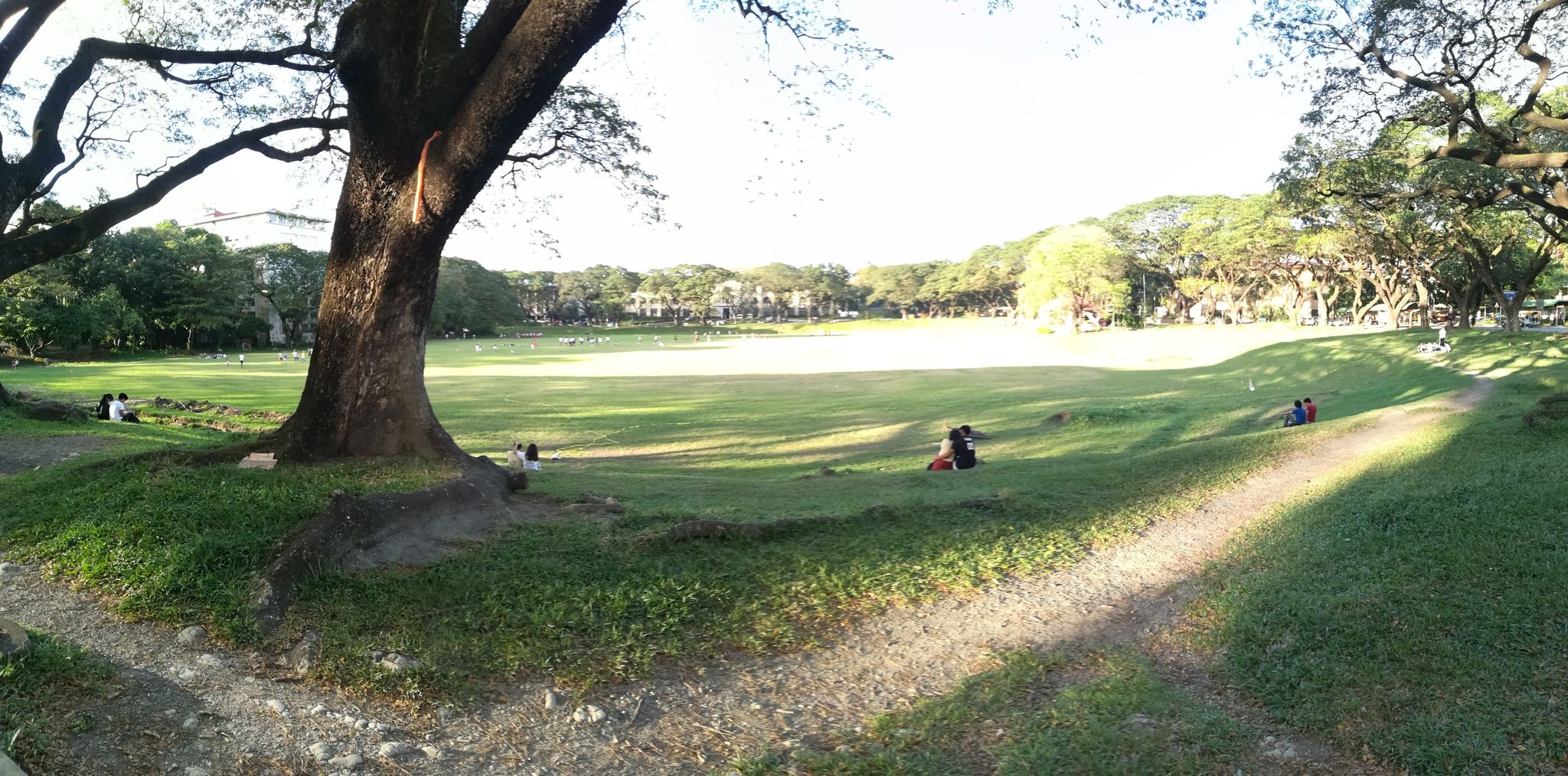
We study the role of the University of the Philippines in governing or rebelling against the Philippines. Specifically, we study the network of alumni, faculty, and student leaders as a hub of various political actions and policymaking. As part of the research, we invite Professor Patricio Abinales to Kyoto in 2025